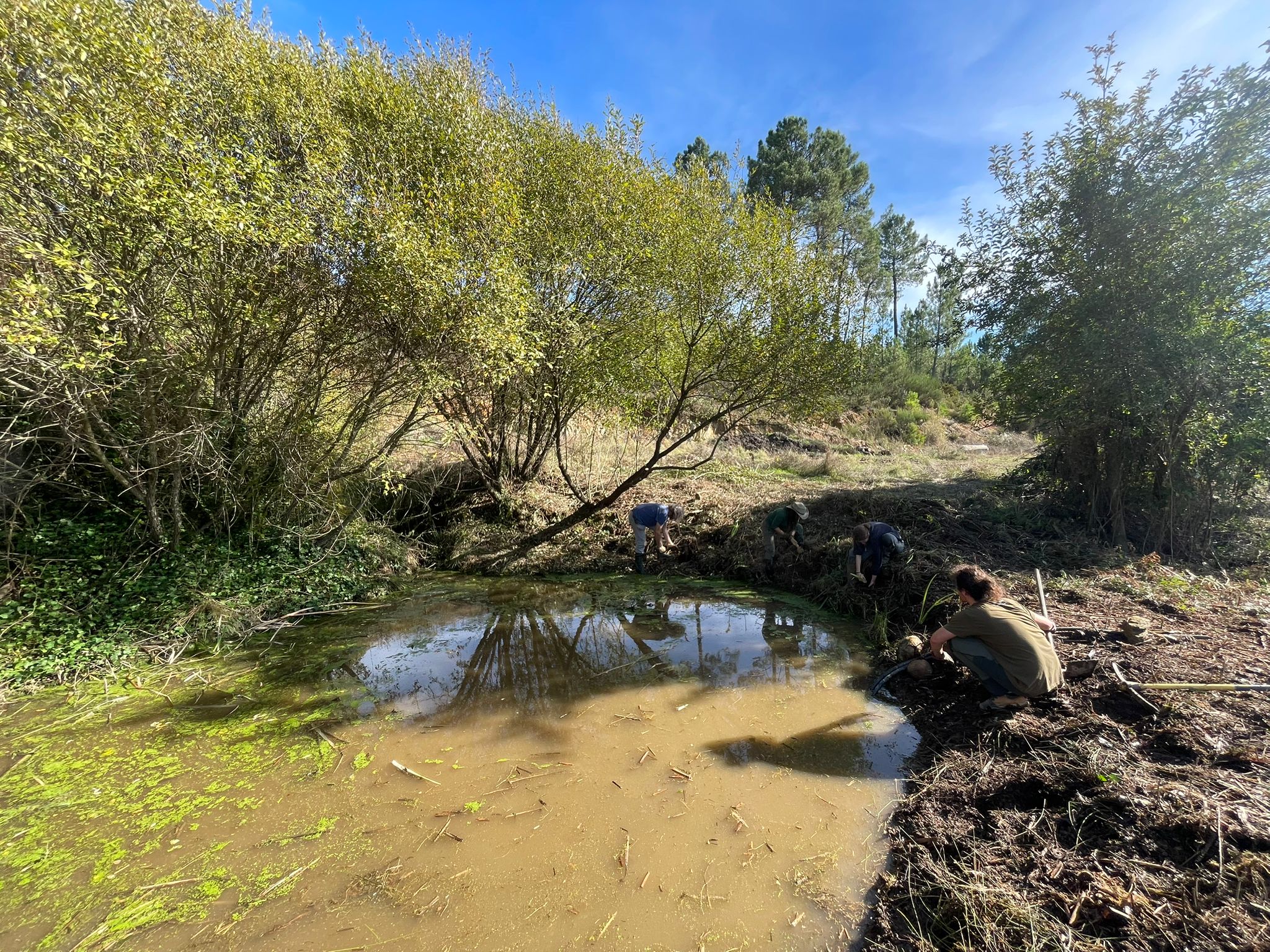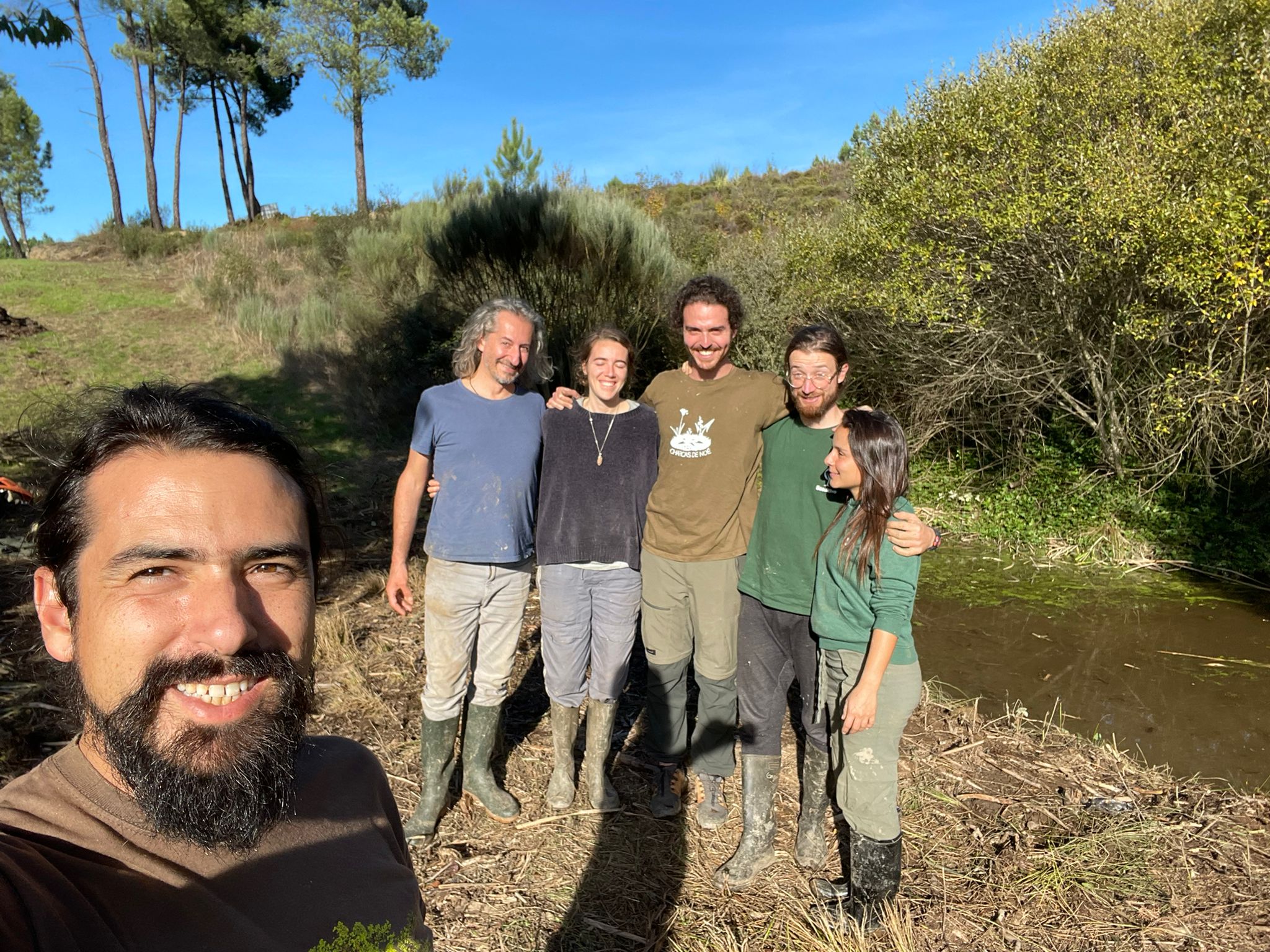
On the weekend of 19 and 20 October 2024, EcoAtivo began the first phase of the restoration of the Ananda Kalyani pond. We welcomed Jael Palhas, a specialist in applied ecology, who led a short practical course on wetland recovery techniques.
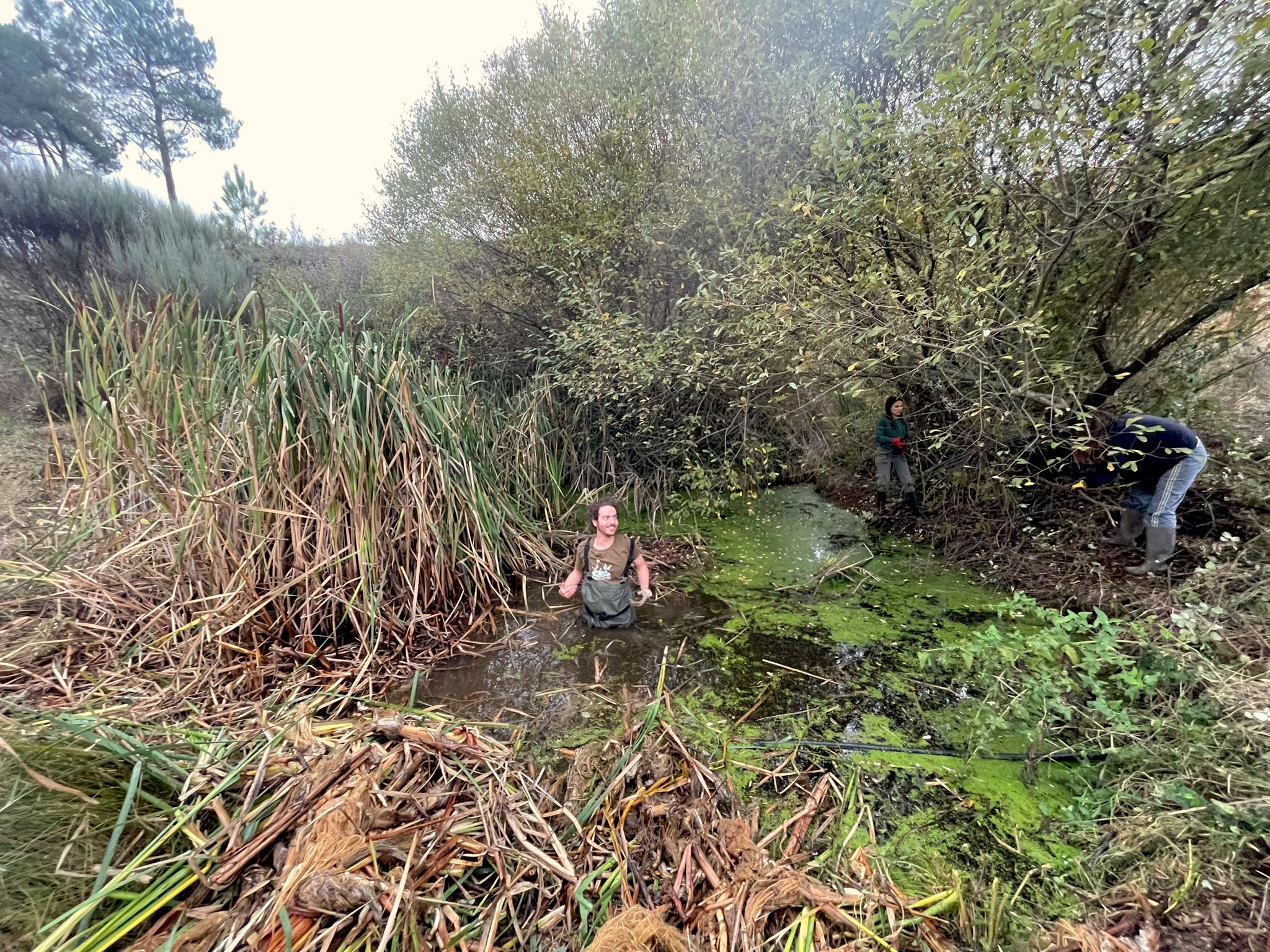
Ponds are ecosystems of great ecological importance, fulfilling critical functions such as water regulation, nutrient filtration, and the promotion of biodiversity-rich habitats. However, many of these habitats are under pressure, facing degradation due to nutrient accumulation, excessive shading, pollution, and shifts in species dynamics. In the specific case of our pond, its overall condition showed clear signs of ecological dysfunction. The dense cover of aquatic and arboreal vegetation prevented sufficient sunlight from reaching the water, creating a closed environment poorly suited to the development of a diverse community of aquatic plants and animals. Biodiversity was low, which compromised the pond’s natural function as an ecological regulator. This imbalance directly affected the biological interactions on site. The lack of adequate conditions inhibited the establishment of a healthy fauna, particularly amphibians, which depend on ponds for reproduction. Rather than sustaining a balanced ecological community, the pond had become a favourable habitat for mosquito proliferation, as their natural predators, such as dragonflies and birds, either had no easy access to the water or did not recognise it as a suitable habitat.
This intervention therefore aimed to improve habitat quality and promote access to water, enabling the return of key species such as amphibians and their predators, which are essential for the natural regulation of the ecosystem. The collaboration with Jael was instrumental in guiding the actions we carried out, focusing on restoring the ecological function of the pond and creating favourable conditions for the local fauna and flora
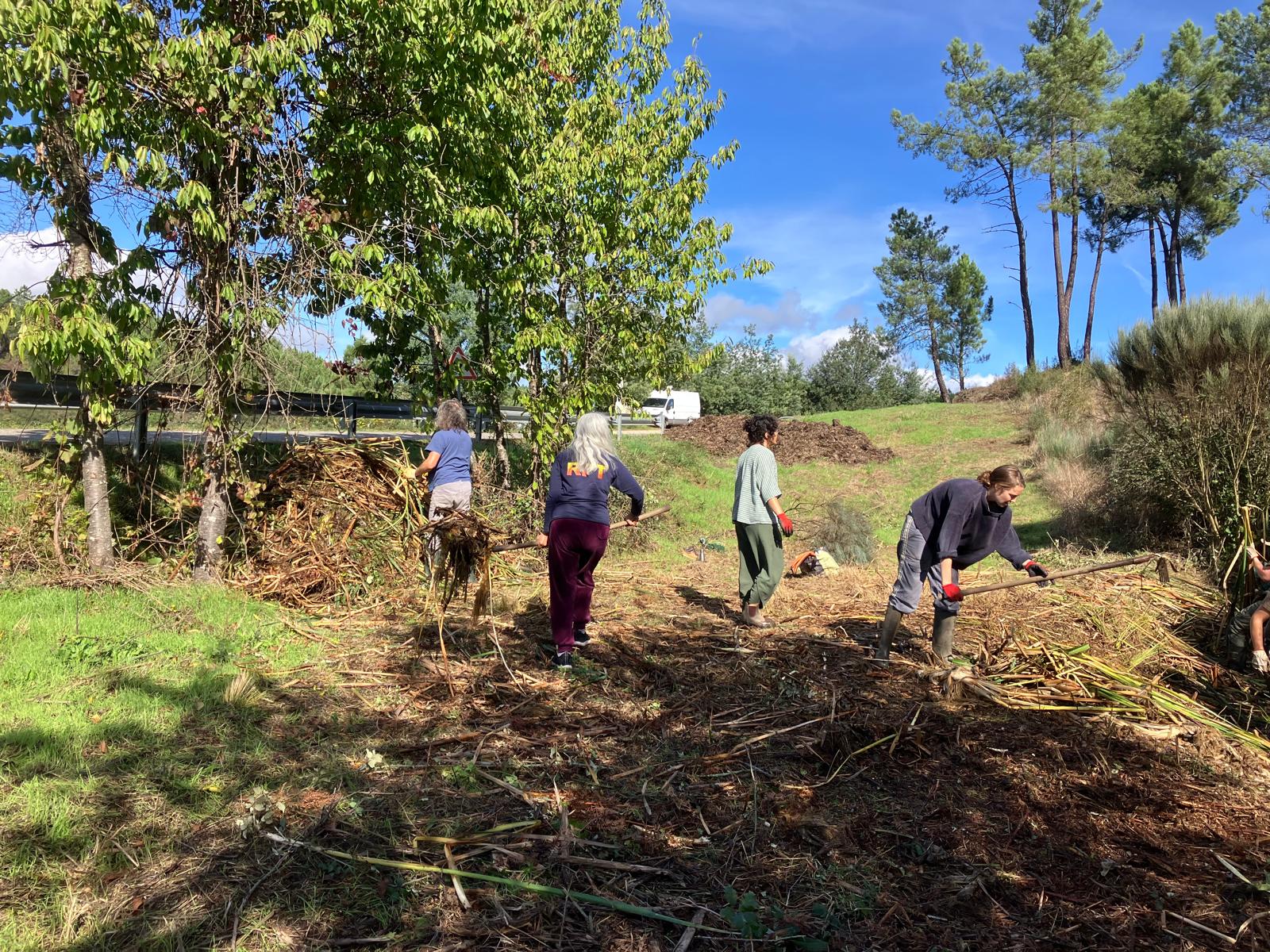
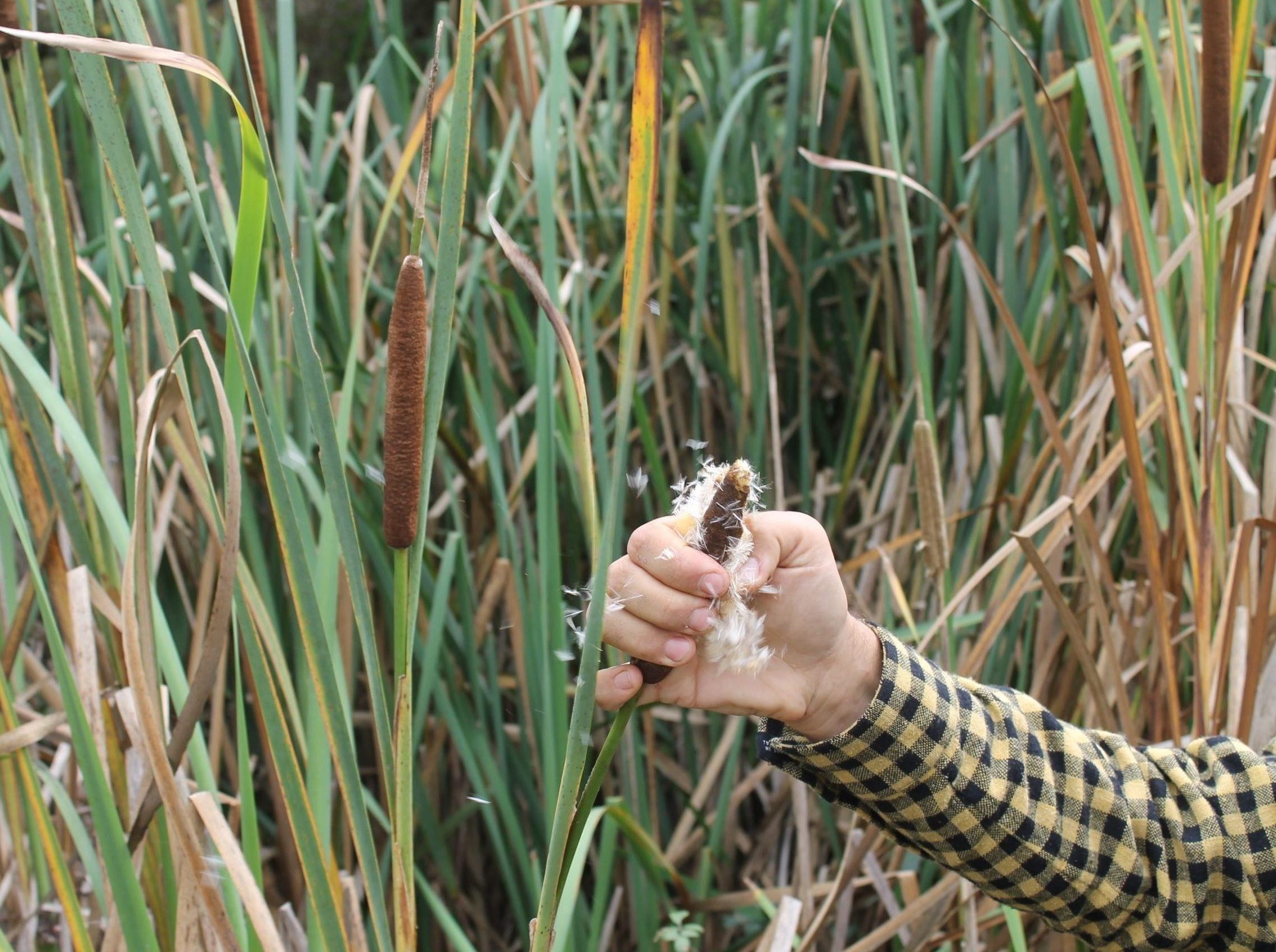
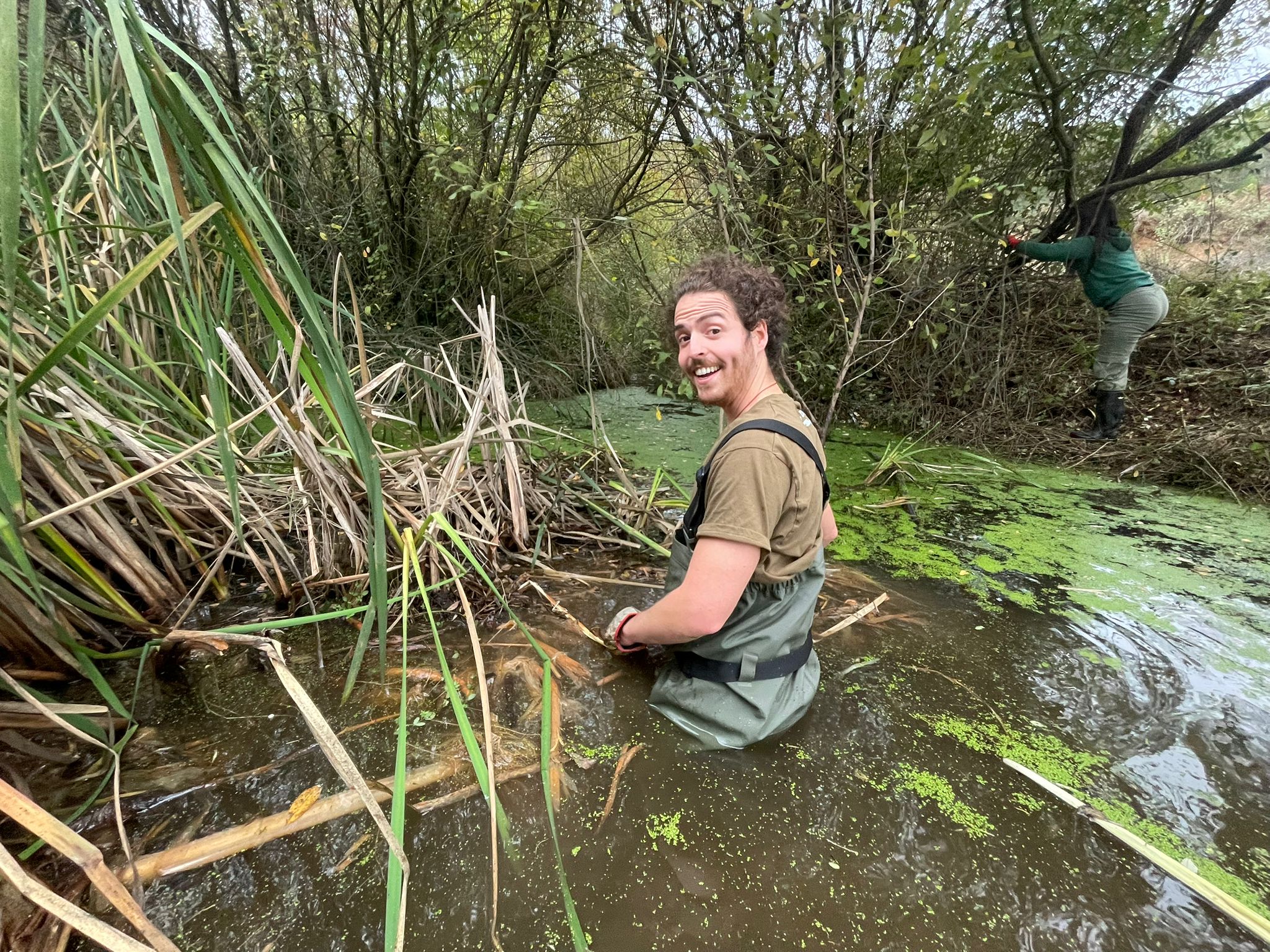
One of the first activities was the removal of bulrushes, Typha domingensis, an aquatic plant that, despite not being invasive, was growing in excess and occupying a considerably significant portion of the pond. The uncontrolled growth of this species contributes to the accumulation of organic matter which, as it decomposes, raises nutrient levels in the water and soil. We chose to remove the plants by the root, since, being a resistant and dominant species, it will naturally return to the system on its own. This removal was essential to open up space for the proliferation of other aquatic species that play a fundamental role in the balance of the ecosystem. Furthermore, all the biomass removed was reused as mulch around cherry trees and other trees in the surrounding area, promoting nutrient cycling across the adjacent land.
We then turned our attention to cutting back the surrounding vegetation, which included several brambles (Rubus sp.) and broom (Cytisus scoparius), a native plant with nitrogen-fixing properties. Although broom has the benefit of improving soil fertility through atmospheric nitrogen fixation, its decomposition on site was contributing to the increase of organic matter in the pond, worsening the nutrient accumulation cycle. By removing this vegetation, we were able to significantly reduce the input of organic matter into the aquatic system, creating better conditions for the development of native species better suited to the ecosystem and allowing the re-establishment of local biodiversity.
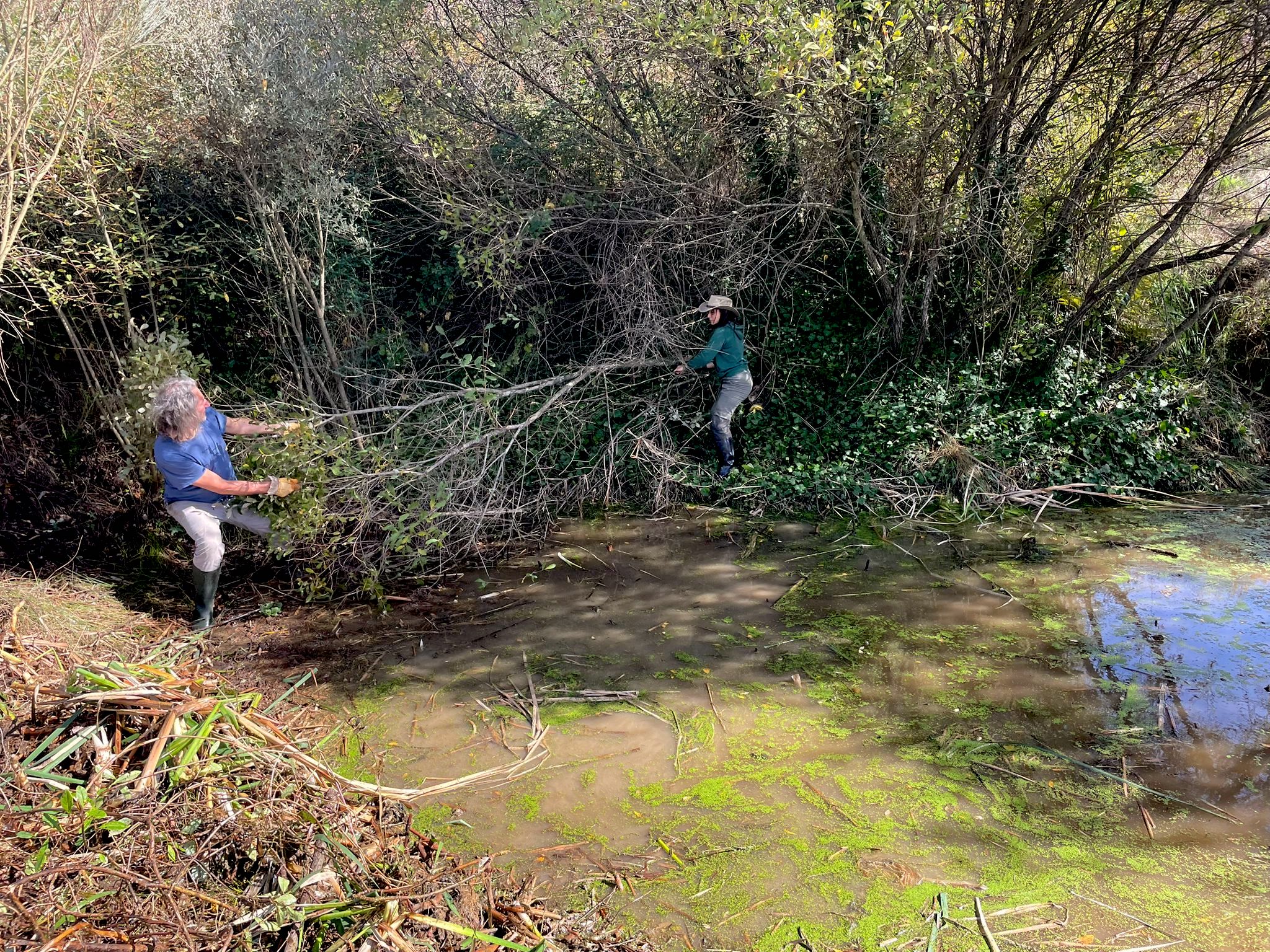
Pruning the willows was another crucial step. These willows, whose branches hung over the pond, were blocking a large part of the sunlight, hindering the growth of submerged and emergent plants that depend on light for photosynthesis. Through pruning, we increased light penetration, allowing aquatic vegetation to develop in a healthier way. At the same time, we took care to prevent pruning debris from falling into the water, which could have worsened the accumulation of organic matter. However, we chose to retain some areas of tall vegetation, including hawthorn (Crataegus monogyna) and portions of the willows themselves (Salix sp.), in order to preserve refuges and natural habitat for local fauna. The preservation of these areas was a strategic decision, as they provide shelter and food for various species, thereby increasing biodiversity.
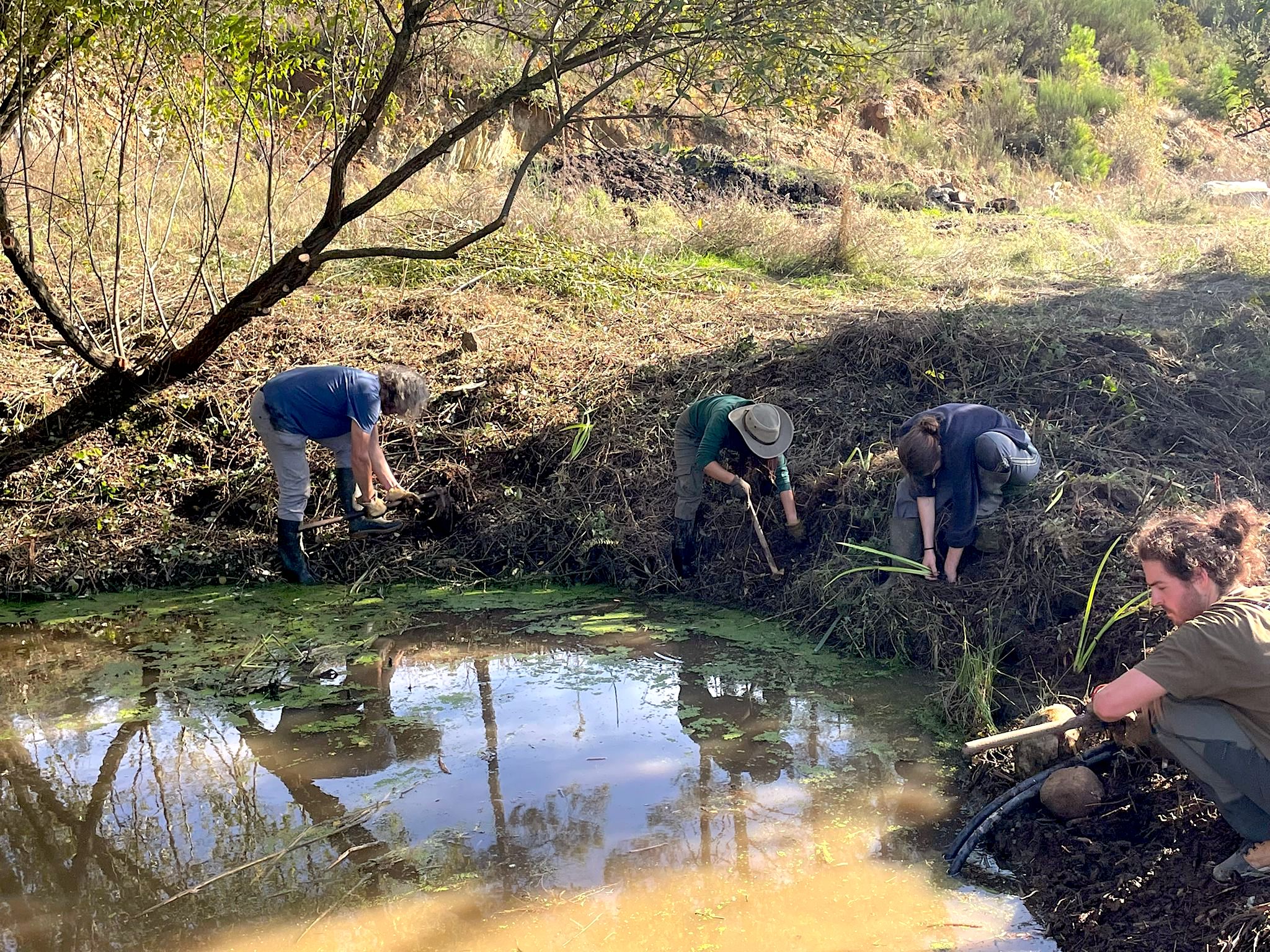
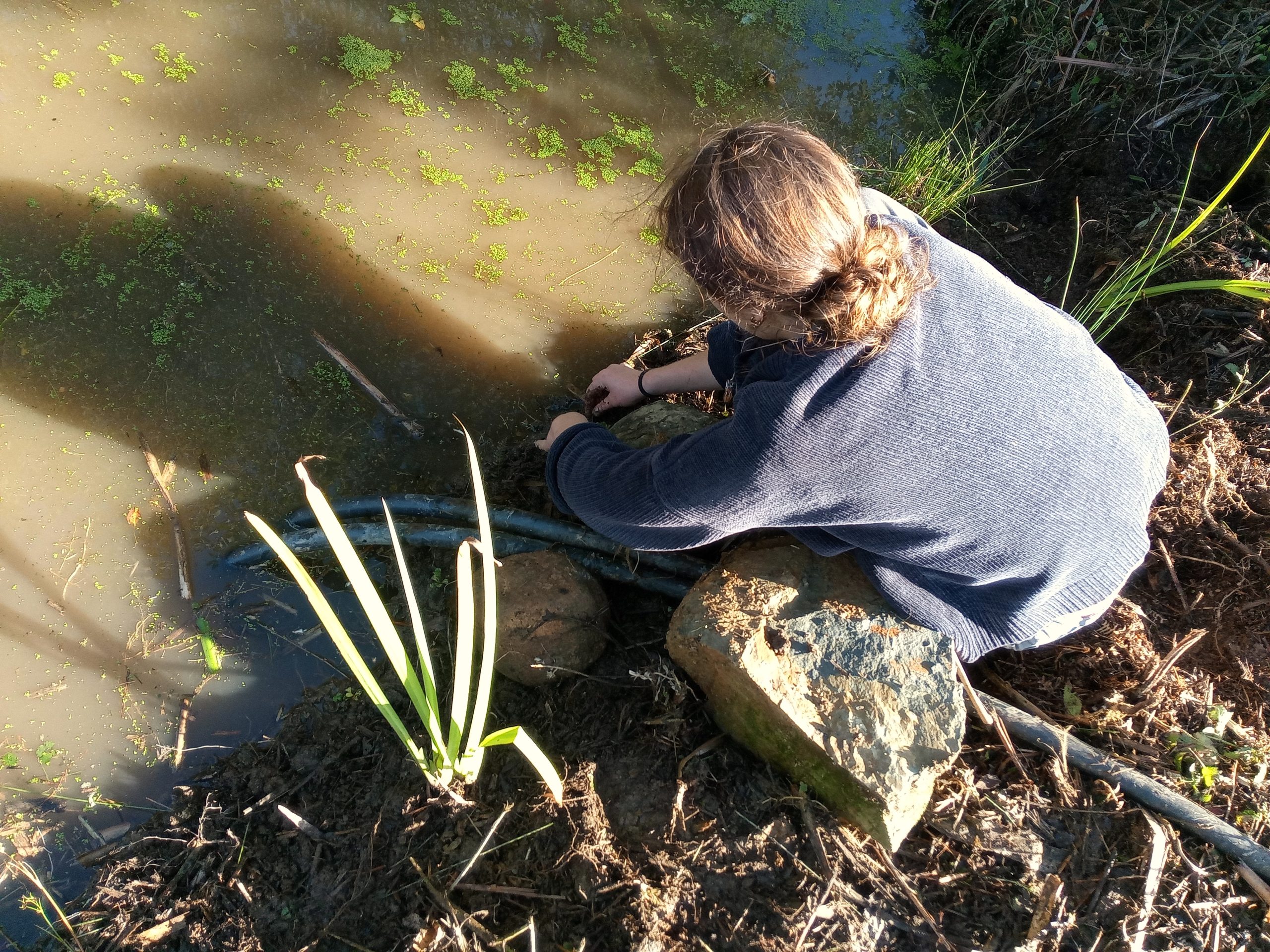
Finally, to conclude the intervention, we planted 31 new aquatic plant species, carefully selected to increase the diversity of the pond and promote a more balanced ecosystem. These species were chosen for their capacity to stabilise the soil, filter nutrients from the water, and create essential micro-habitats for various forms of life.
The plants introduced include several species of Juncus, such as Juncus fontanesii, Juncus articulatus, Juncus heterophyllus, Juncus rugosus, and Juncus valvatus, which are well known for their robustness in wetland environments and their ability to promote soil stabilisation. Within the mint group, we opted for Mentha aquatica, Mentha arvensis, Mentha x Maximiliana (a hybrid between M. aquatica and M. arvensis), and Mentha cervina, all of which have aromatic properties and play an important role in ecological balance. We also introduced six species of Potamogeton, which play a vital role in nutrient filtration and the creation of underwater habitat: Potamogeton perfoliatus, Potamogeton gramineus, Potamogeton lucens, Potamogeton pectinatus, Potamogeton natans, and Potamogeton polygonifolius. In addition, three species of Eleocharis were planted: Eleocharis multicaulis, Eleocharis acicularis (known as needle spike-rush), and Eleocharis parvula, which assist in water purification and the formation of healthier wetland zones.
Other species added to the pond include Baldellia repens, Schoenus nigricans, Galium palustre, Ludwigia palustris, Utricularia australis, Caropsis sp., Nymphoides peltata (lesser water-lily), Carex pendula, Alisma lanceolatum, Butomus umbellatus, Iris pseudacorus (yellow flag iris), Schoenoplectus lacustris (common club-rush, traditionally used in basketry), and Samolus valerandi (brookweed, which is edible).
The ongoing management of wetlands such as our pond is essential not only for maintaining local ecological balance, but also for the survival of threatened species. The gold-striped salamander, Chioglossa lusitanica, a species endemic to Portugal, is particularly sensitive to changes in its aquatic habitat, and interventions such as this increase the chances of creating ideal conditions for its reproduction and survival. We will regularly monitor the impact of these actions, ensuring that the new plants and associated fauna become established and that the pond once again fulfils its role as a natural regulator of the landscape, benefiting the surrounding biodiversity and mitigating the impacts of environmental degradation.