Vermicomposting is an innovative and sustainable method that recycles organic waste, transforming it into nutrient-rich humus with the help of worms, in particular the species Eisenia fetida, also known as red wigglers or California worms. This natural process not only reduces the volume of organic waste but also generates a valuable resource for improving soil health and fertility. In this article, we explore the scientific principles behind vermicomposting, its advantages, the unique characteristics of these worms, and, finally, how we built our own vermicomposter.
What is vermicomposting?
Vermicomposting is based on the combined action of worms and microorganisms that decompose organic matter under aerobic conditions. The worms consume waste such as food scraps, paper, and sawdust, digesting it with the help of microorganisms present in their digestive tract. The end product of the process is humus, a granular, biologically active material with high agronomic value. The humus produced is a rich source of essential nutrients such as nitrogen, phosphorus, and potassium, and also contains beneficial microorganisms that promote soil health. Its capacity to retain water and nutrients makes it a valuable component in agricultural systems and in the regeneration of degraded soils.
Why choose red wigglers?
Eisenia fetida worms, commonly known as red wigglers or California worms, are particularly well suited to vermicomposting due to their biological characteristics. Unlike common earthworms (Lumbricus terrestris), which inhabit deeper soil layers, Eisenia fetida is an epigeic species, meaning it lives in the surface layer, where it finds decomposing organic matter.
Its high consumption capacity — a single worm can ingest the equivalent of its own body weight in organic matter per day — combined with rapid reproduction makes this species ideal for intensive composting systems. Each cocoon produced by these worms can yield between two and seven new worms, allowing the population to multiply quickly under suitable conditions. Furthermore, Eisenia fetida adapts well to controlled environments, tolerating high population densities and moderate variations in temperature and humidity.
Benefits of vermicomposting
- Reduction of organic waste: Vermicomposting is an effective solution for reducing organic waste that would otherwise be sent to landfill, where it releases greenhouse gases such as methane.
- Production of nutrient-rich humus: The humus produced is a natural fertiliser containing essential nutrients such as nitrogen, phosphorus, potassium, calcium, and magnesium. It also improves the nutrient retention capacity of the soil and promotes healthy plant growth.
- Improvement of soil health: The humus is rich in beneficial microorganisms that help decompose organic matter in the soil, increasing its fertility and structure.
- Reduction of pollutants: By recycling organic waste through vermicomposting, we avoid the soil and groundwater pollution caused by the improper disposal of waste.
How does the process work?
Vermicomposting is relatively straightforward to implement; however, it requires specific care to ensure the efficiency of the process and the wellbeing of the worms:
- Temperature and humidity: Red wigglers prefer temperatures between 15 °C and 25 °C and a humidity level of between 70% and 80%.
- Carbon-to-nitrogen balance: A balance between carbon-rich materials, such as paper or sawdust, and nitrogen-rich materials, such as food scraps, is necessary to maintain the ideal carbon-to-nitrogen (C:N) ratio.
- Aeration: The system needs to be ventilated to prevent the development of anaerobic conditions, which can be harmful to the worms.
- Types of waste: Worms can consume fruit and vegetable scraps, coffee grounds, non-coated paper, and sawdust. However, it is important to avoid foods such as meat, dairy products, fats, and heavily seasoned foods, as these can attract pests or cause unpleasant odours.
Practical implementation
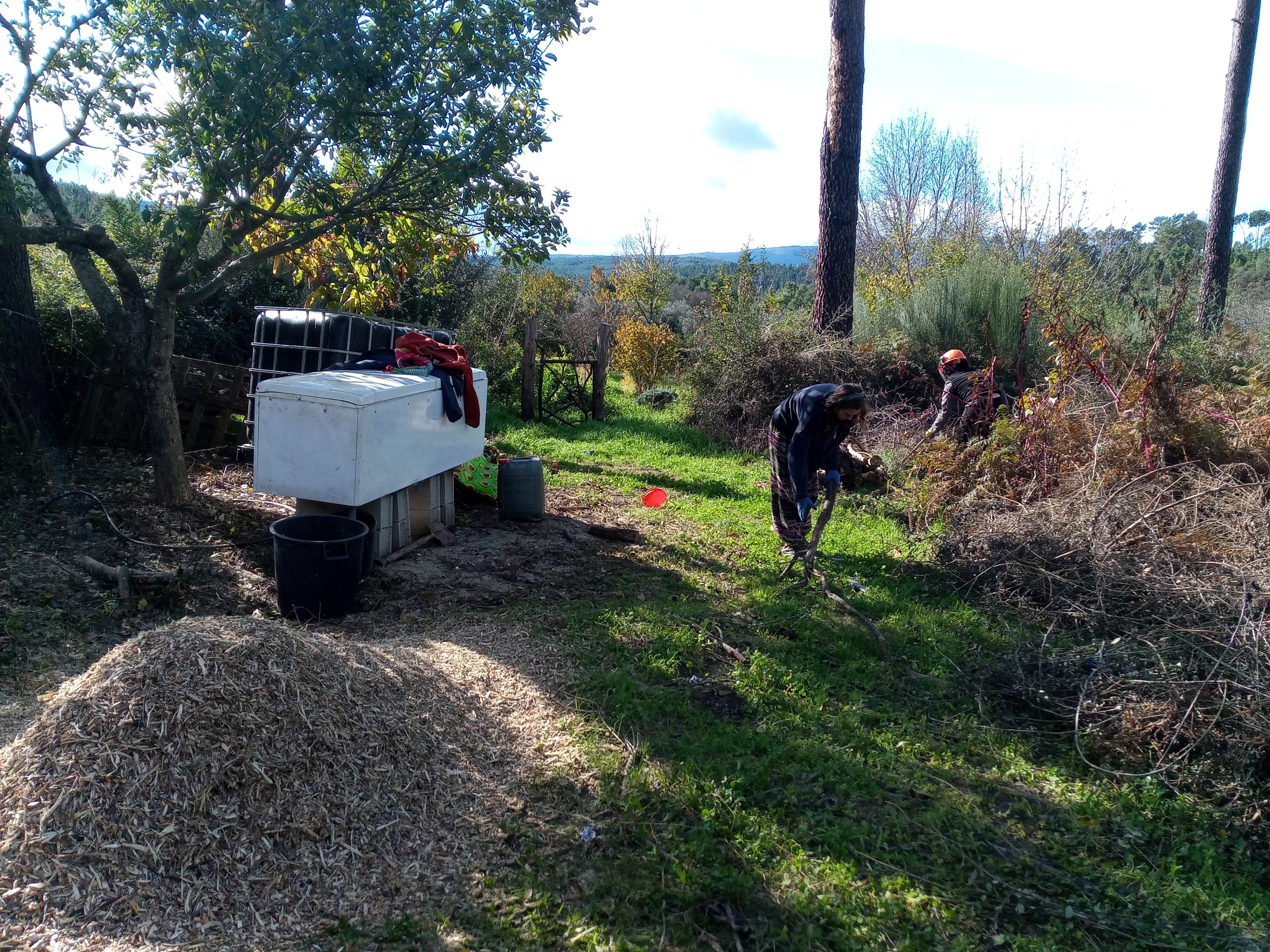
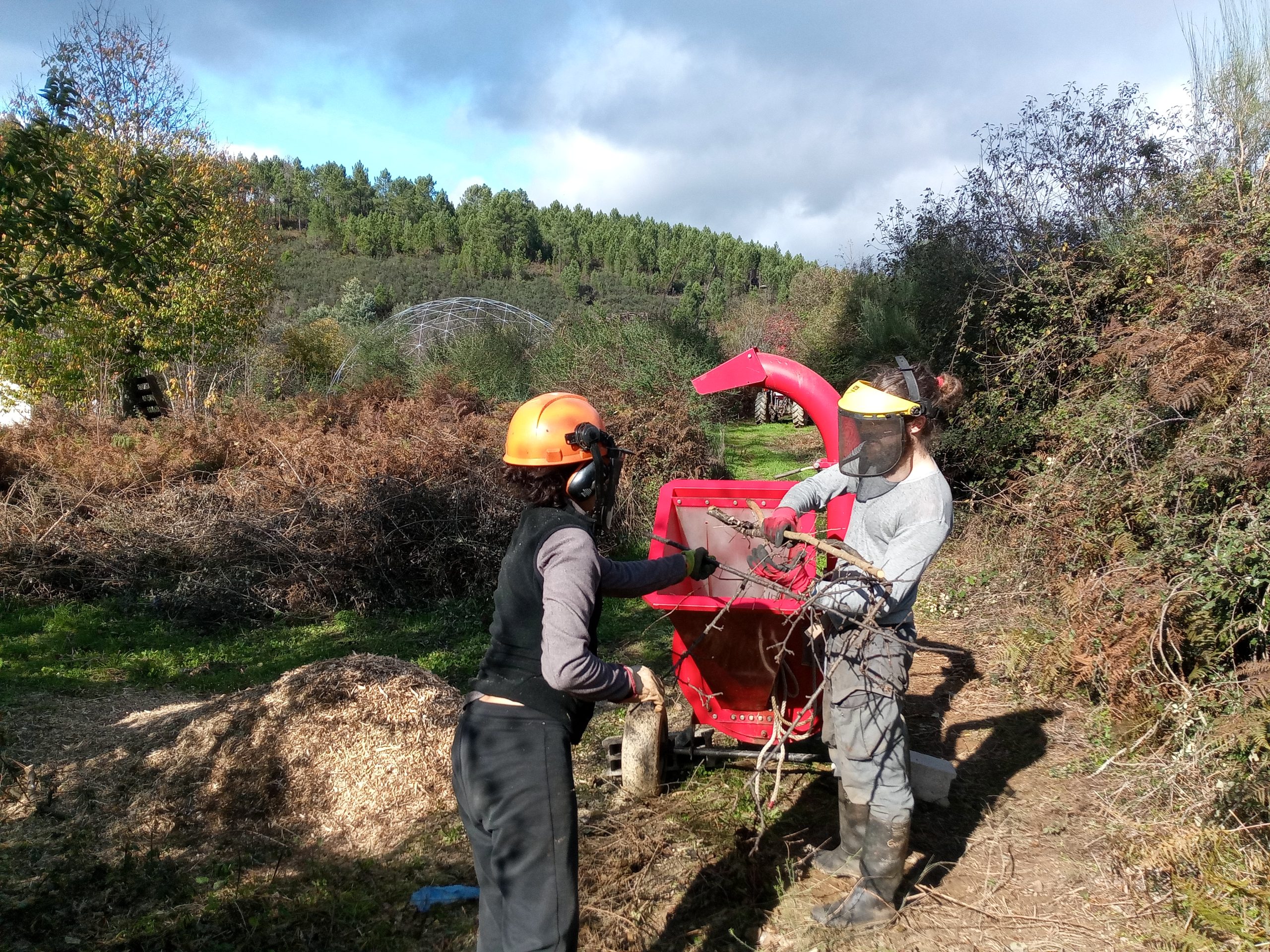
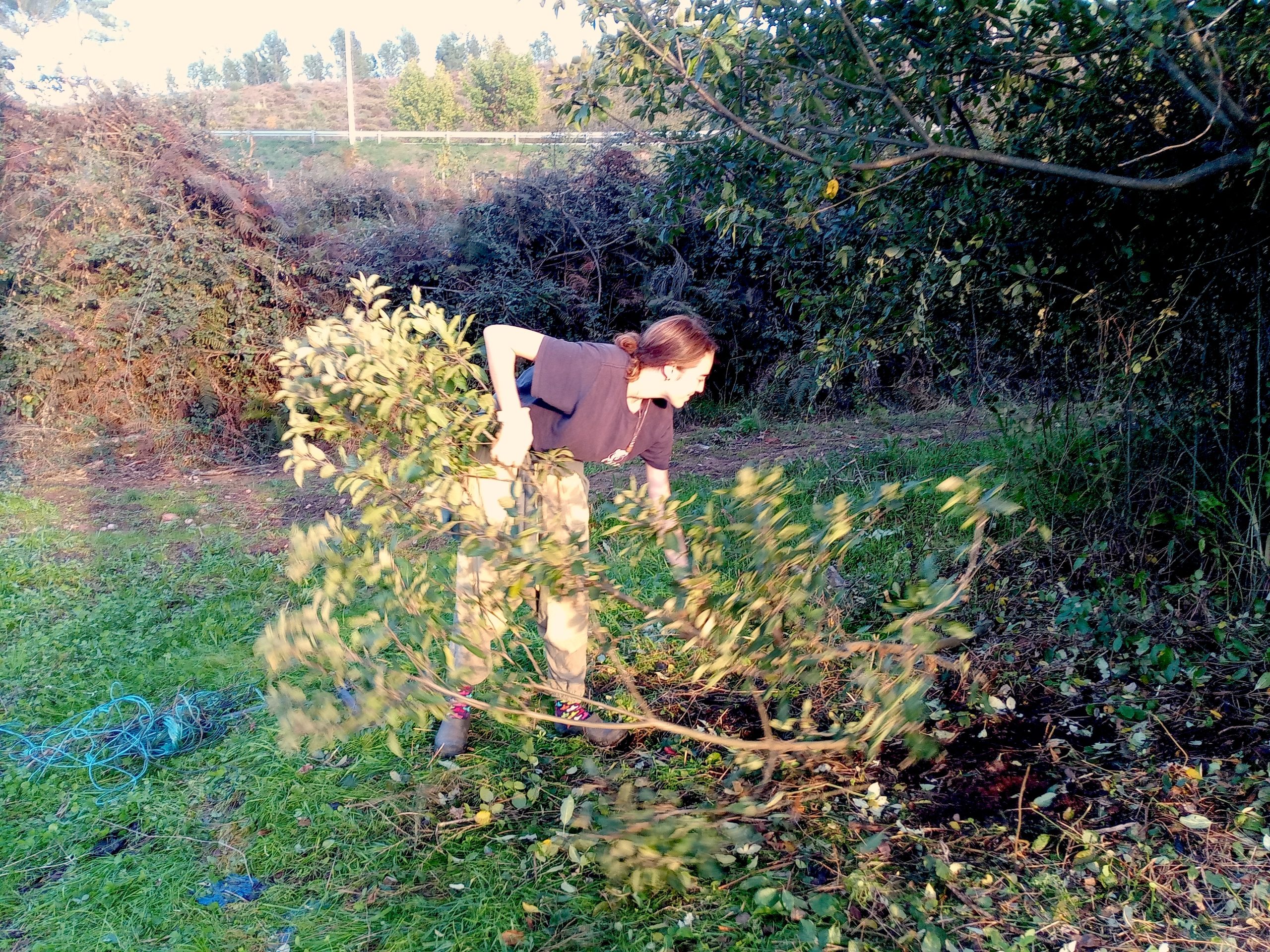
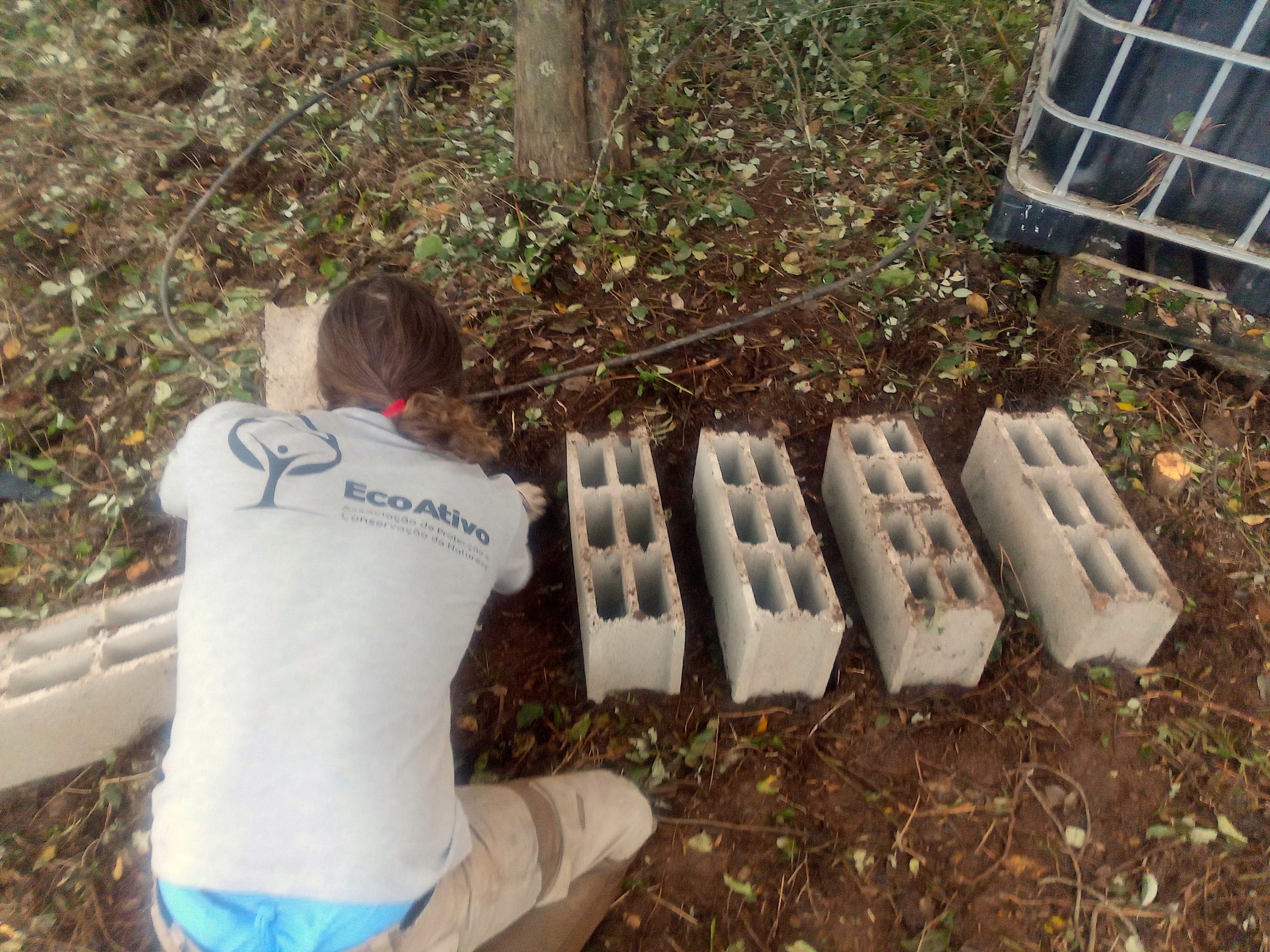
To build our vermicomposter, we first needed to prepare the designated space. The process began with clearing the area, where we removed brambles, broom, and spontaneous vegetation, and also pruned an apple tree. The branches were chipped to produce wood chips, which will later be used in the system, promoting the sustainable reuse of available resources.
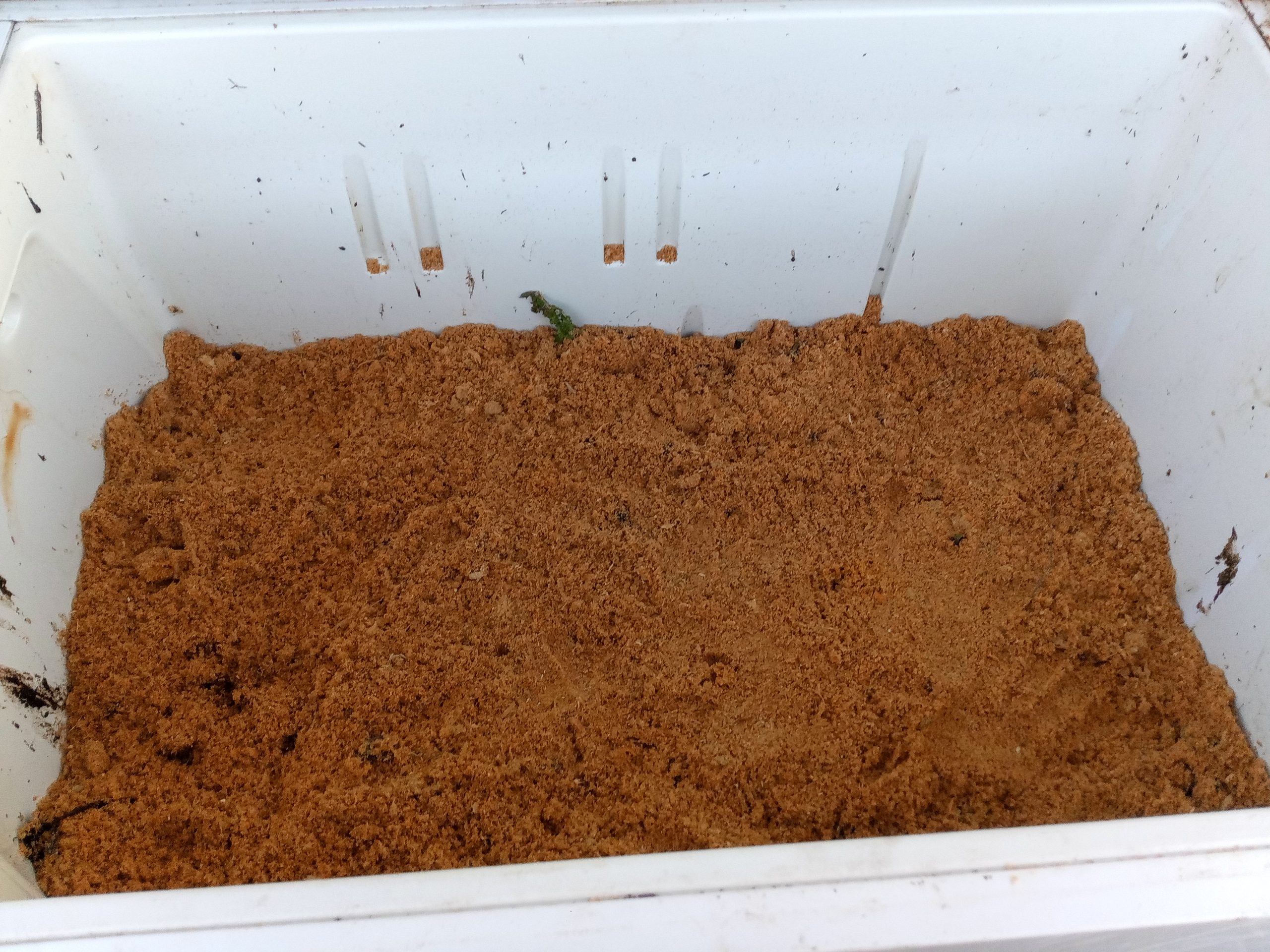
As the main structure, we used a decommissioned refrigerator, which was placed on a brick support to ensure stability and facilitate drainage. The refrigerator was also adapted with holes to improve ventilation and ensure the necessary conditions for the process. Inside, we created layers composed of newspaper, sawdust, organic waste, red wigglers, and a final layer of sawdust, ensuring the ideal balance and appropriate conditions for vermicomposting.
Conclusion
Vermicomposting is a clear example of how natural processes can be integrated into sustainable solutions for modern challenges. The role of red wigglers in processing organic waste and producing humus highlights the importance of biodiversity for environmental sustainability. By promoting vermicomposting, we are not only managing waste more efficiently, but also regenerating our soils, mitigating environmental impacts, and building a more sustainable model for the future.