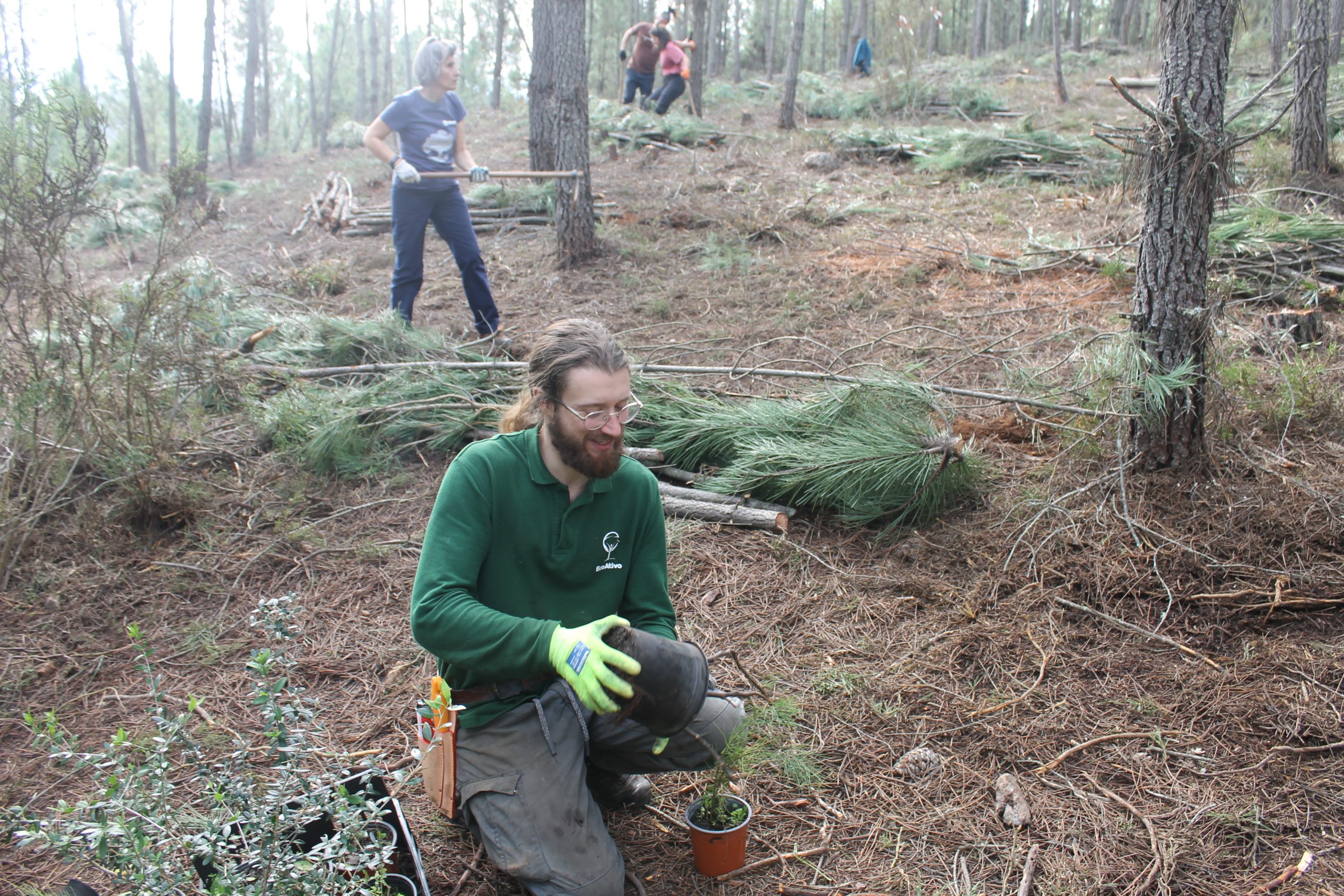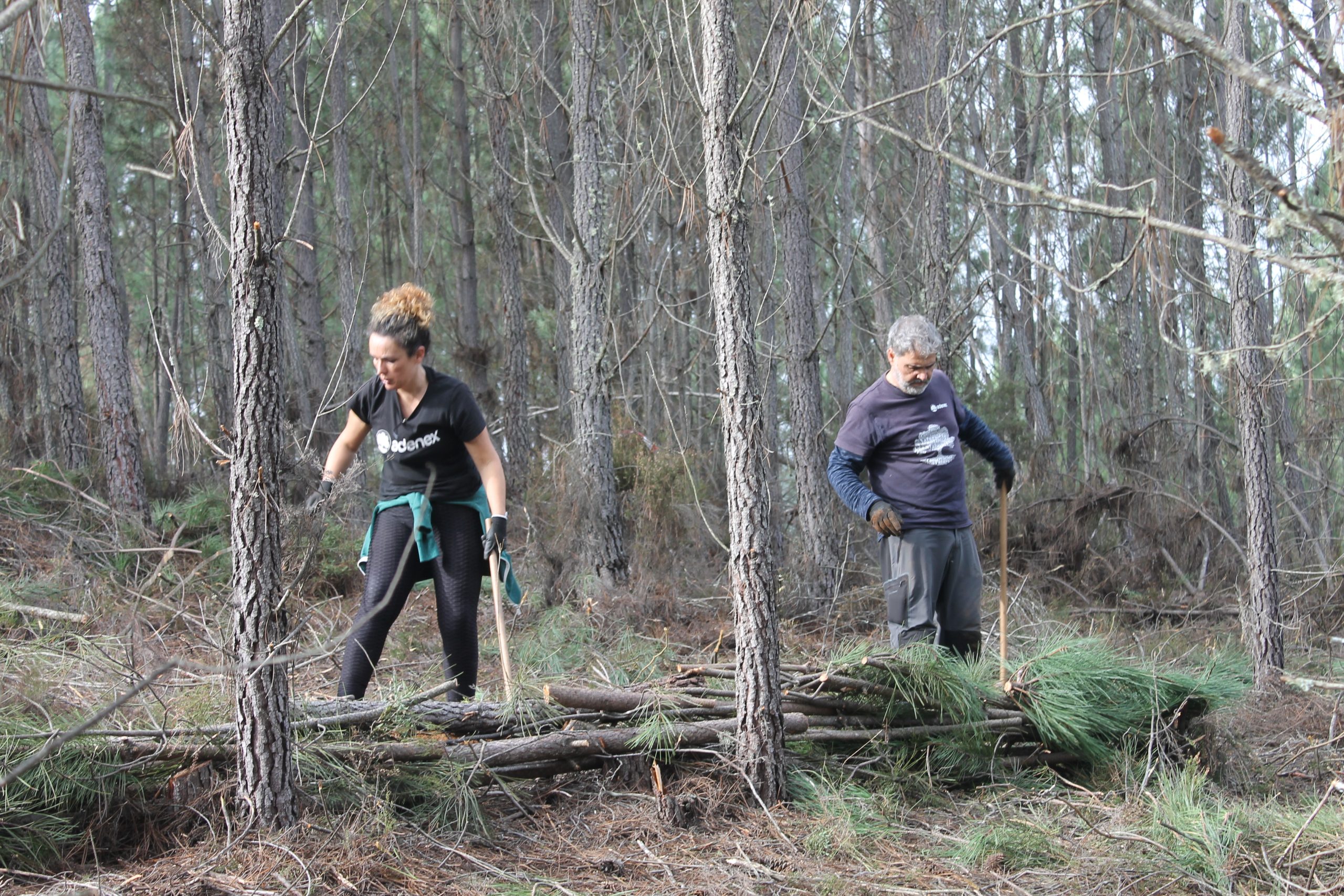
The transformation of degraded ecosystems is a challenge that demands knowledge, care, and a long-term vision. From November 27 to December 1, EcoAtivo, in collaboration with the Spanish environmental association ADENEX, carried out a field intervention on the Ananda Kalyani land, located in the municipality of Covilhã, with the aim of transforming an abandoned industrial pine forest into a biodiverse woodland. This pilot project, developed across an area of approximately 2,000 m², applied the principles of syntropic agriculture, promoting soil regeneration and the creation of a biodiverse and self-sustaining system. The primary goal was to establish a natural firebreak, drawing on the advantages of a biodiverse forest, which retains greater soil moisture and reduces fire risk. Grounded in the natural cycles of ecosystems, the design incorporated ecological successions and multiple forest strata (low, mid, high, and emergent), ensuring the development of a balanced and resilient system.
The project was structured into two main phases: an initial land clearance and a second phase dedicated to the construction of structures, half-moon swales, and the planting of carefully selected species.
1st Phase: Land cleaning and preparation
Interventions carried out:
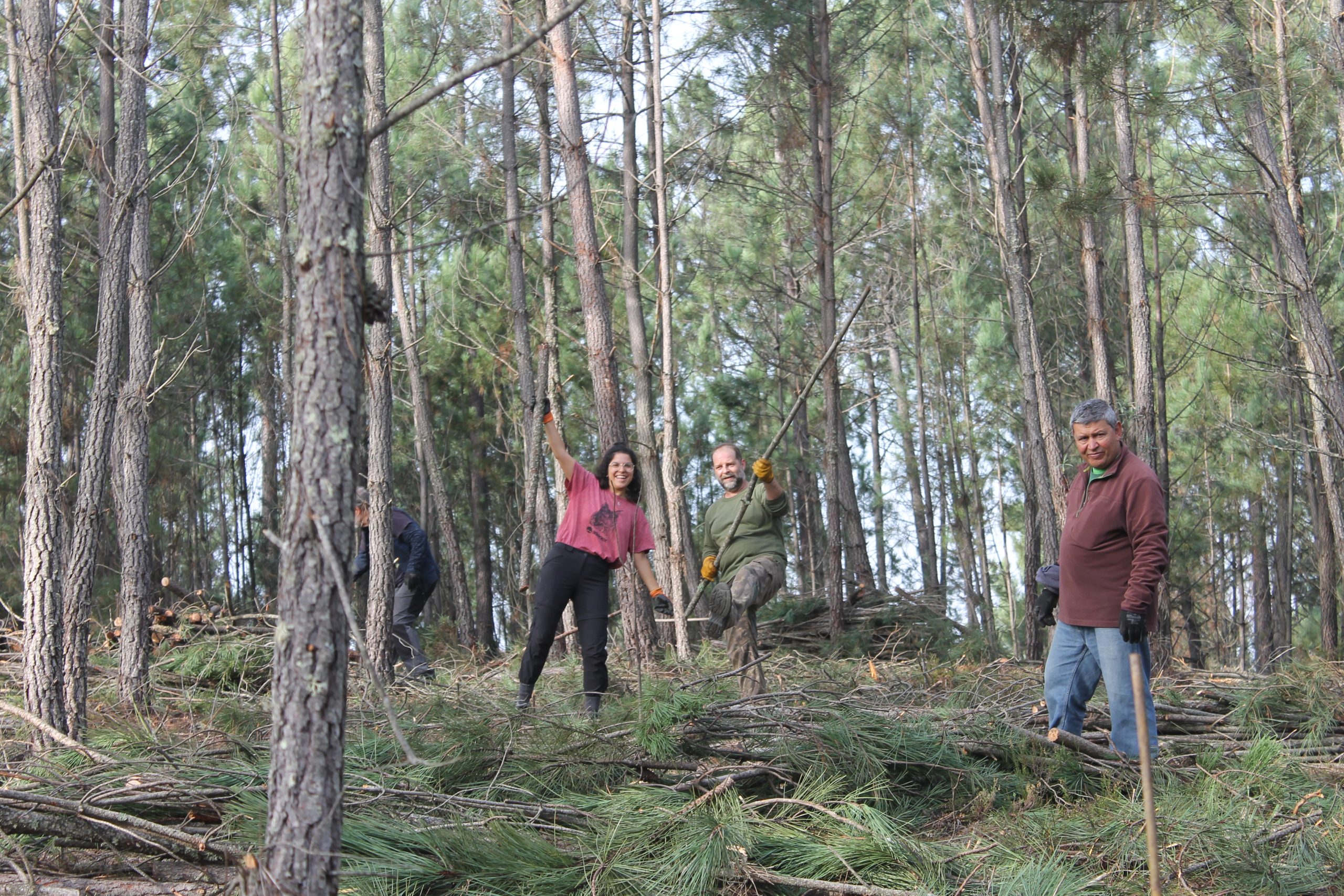
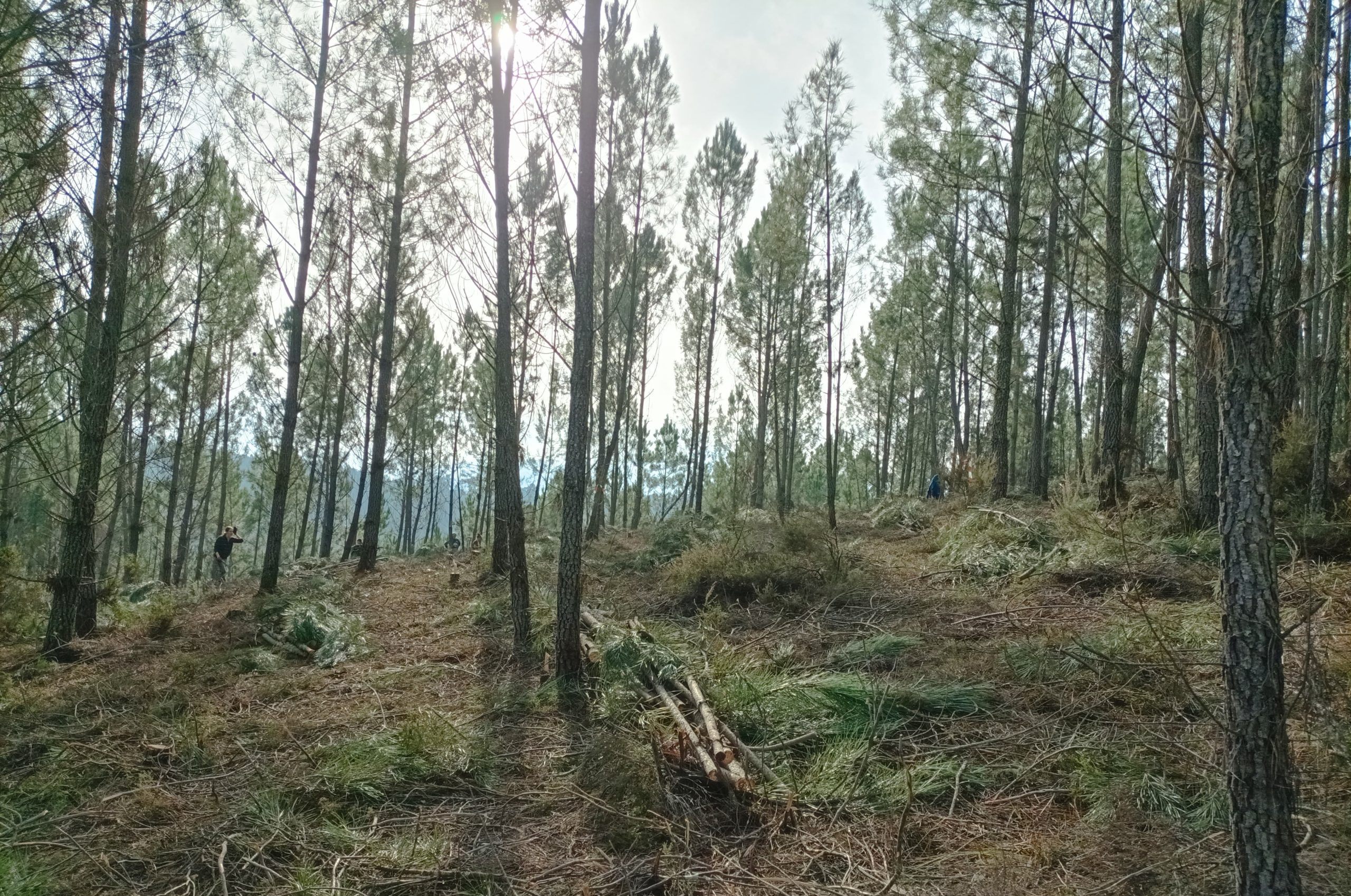
- Selective cutting of pine trees: Approximately 70% of the pine trees were removed, retaining the larger specimens (diameter above 20 cm) and spacing the remaining pines around 3 metres apart. This approach was adopted to allow greater sunlight penetration and create conditions for new species to establish themselves.
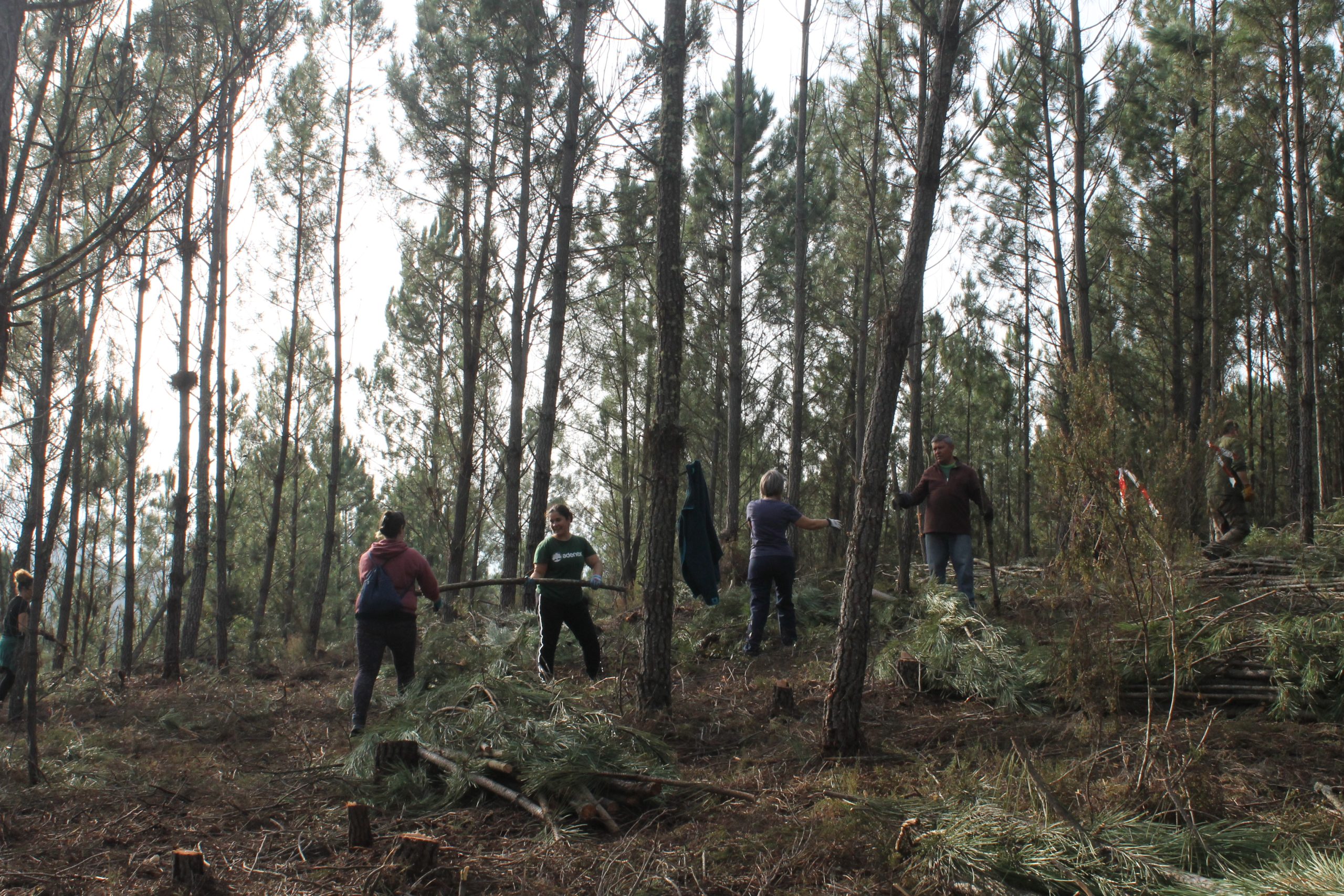
- Biomass management: All felled timber was processed on site. Branches and smaller trunks were set aside for the construction of water retention structures, while the larger ones were stored for future use as firewood. Biomass reuse is one of the core principles of syntropic agriculture, which seeks to integrate all elements of the system in a sustainable way.
- Selective scrub removal: Vegetation such as broom and heather was largely removed, though some specimens were retained to preserve biodiversity and protect the soil.
Impacts of the cleaning:
Opening up the pine canopy allowed greater light penetration and improved microclimatic conditions for the subsequent interventions. In addition, the redistribution of biomass across the land helped to stabilise the soil and prevent erosion.
2nd Phase: Construction of half-moon swales and planting
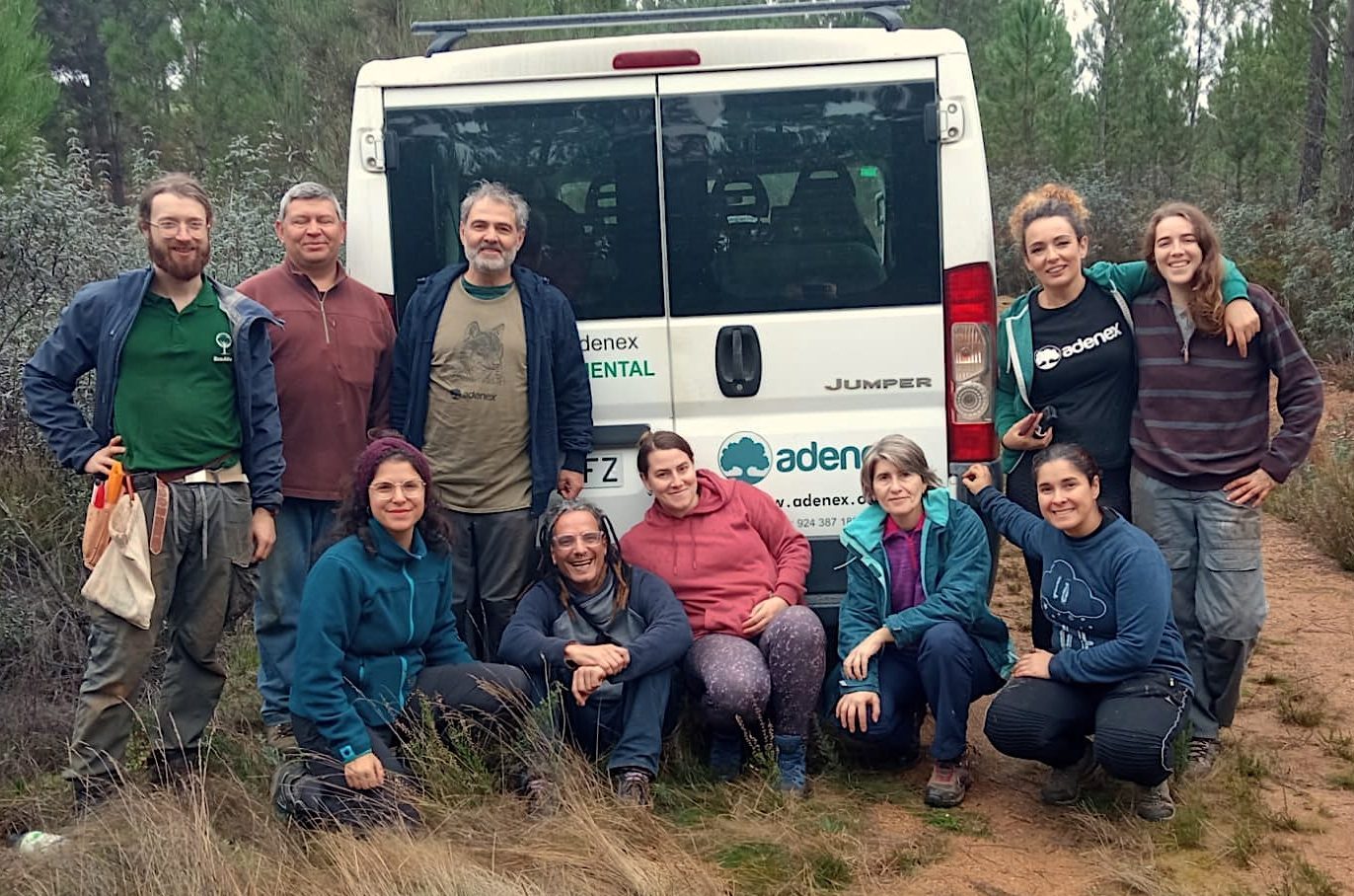
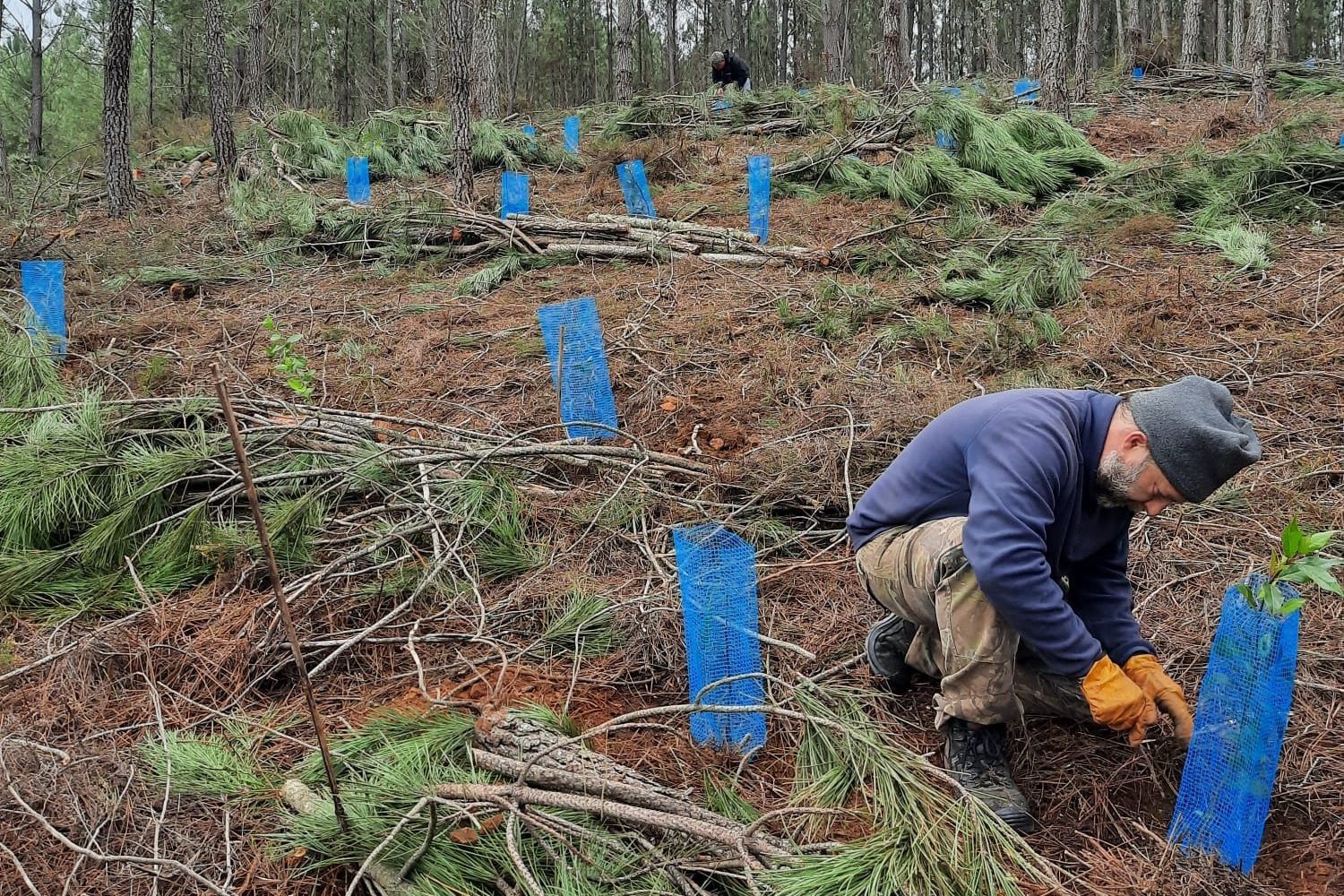
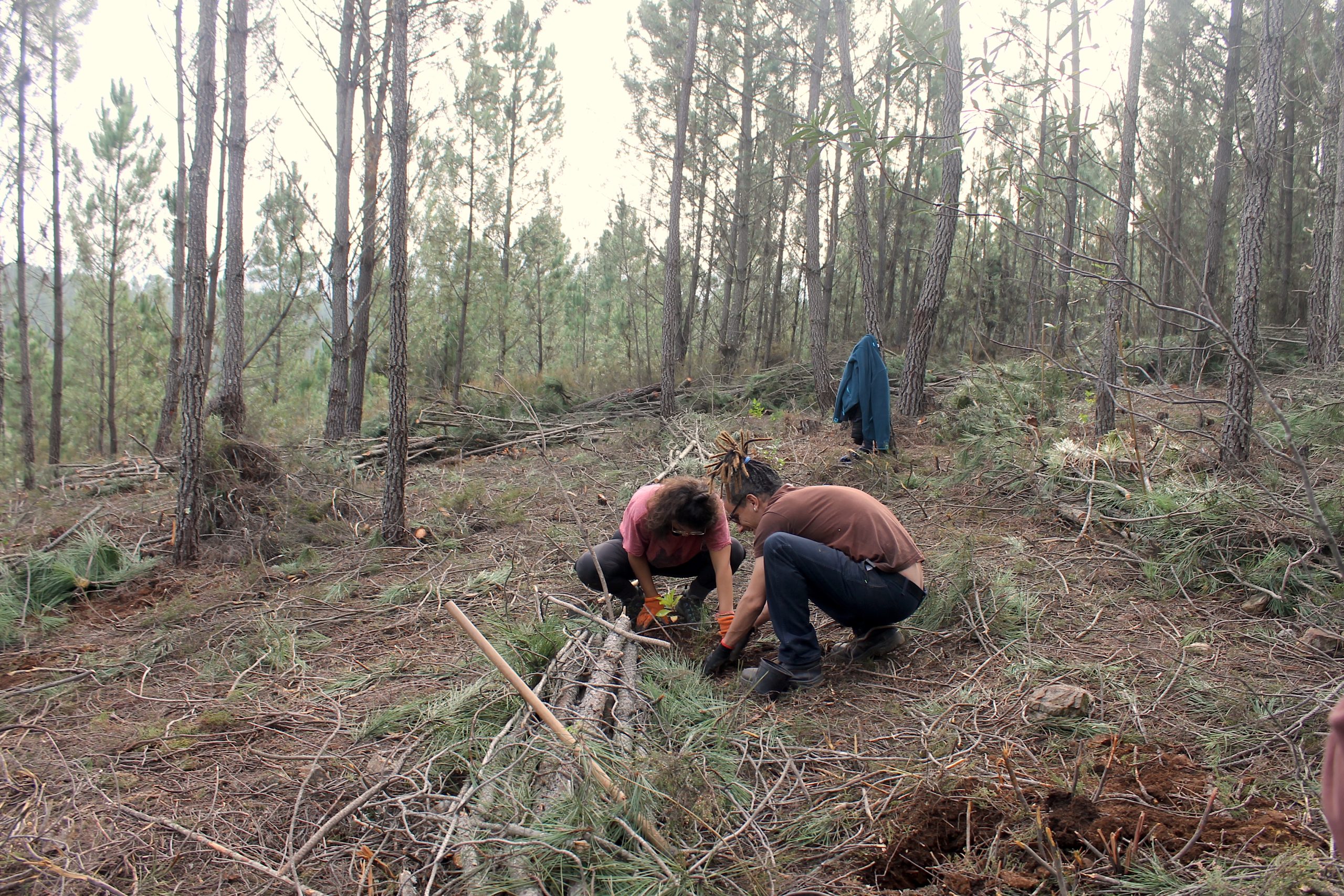
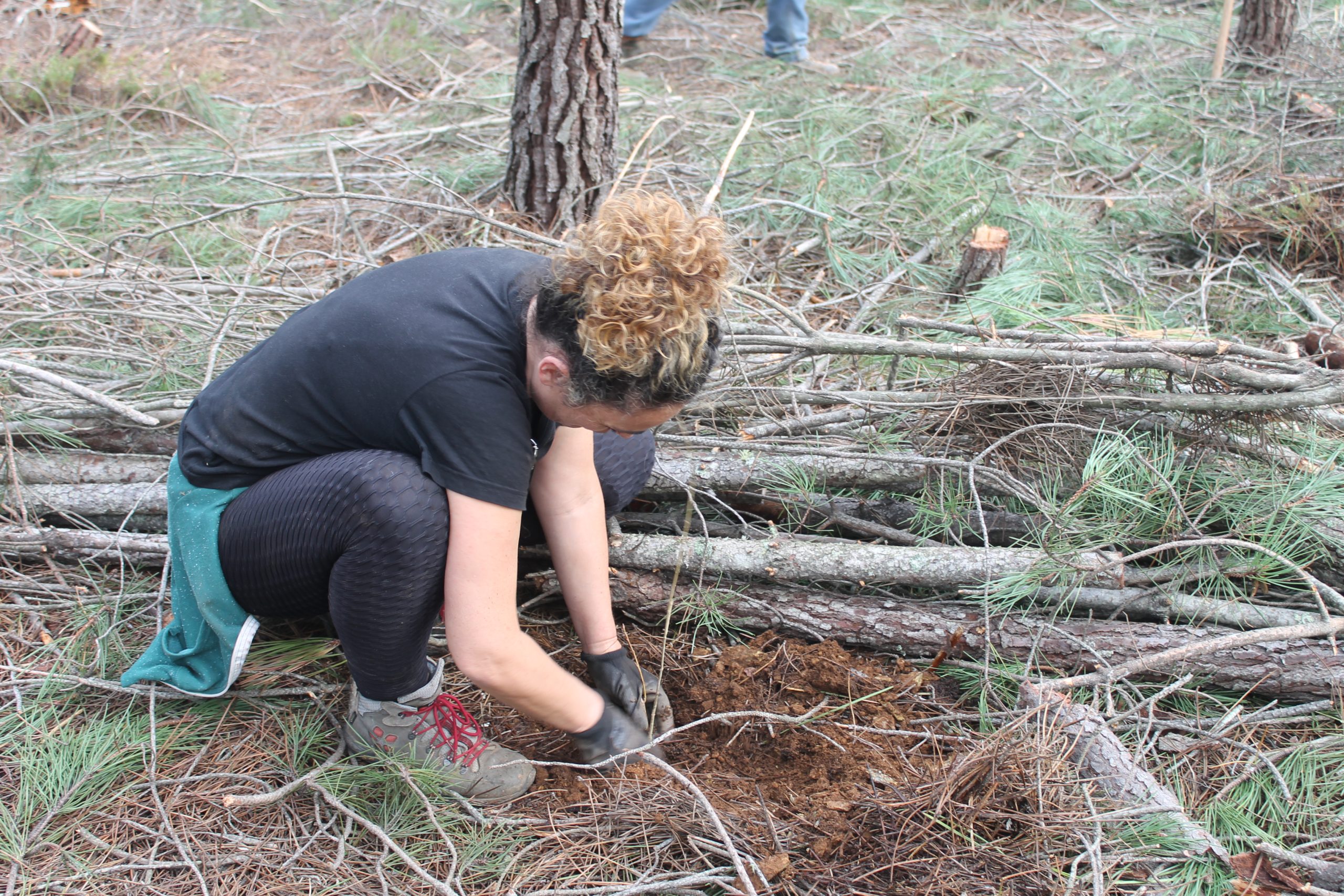
The second phase, carried out with the collaboration of nine ADENEX volunteers, was marked by the construction of 40 half-moon swales — contour-line structures designed to retain water and promote soil fertility — and the planting of approximately 400 trees and shrubs.
Construction of the half-moon swales:
The half-moon swales were built using biomass available on site, such as pine logs and branches. Each structure was carefully constructed taking the slope of the terrain into account. These structures play a central role in ecological regeneration, offering benefits such as:
- Water retention: capture and store rainwater, ensuring moisture availability for plants during dry periods.
- Soil stabilisation: reduce erosion and improve the water infiltration capacity of the soil.
- Natural fertilisation: wood and other organic materials, as they decompose, enrich the soil with nutrients over time.
- Space organisation: facilitate planting in predefined patterns, improving work efficiency.
Species selection and planting:
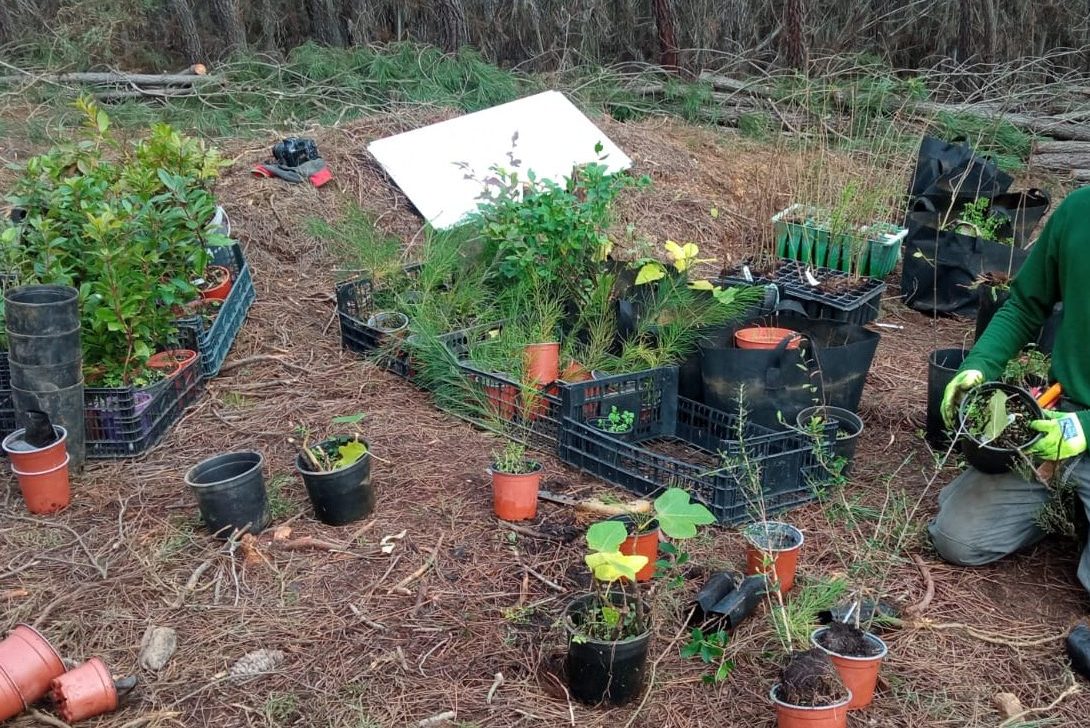
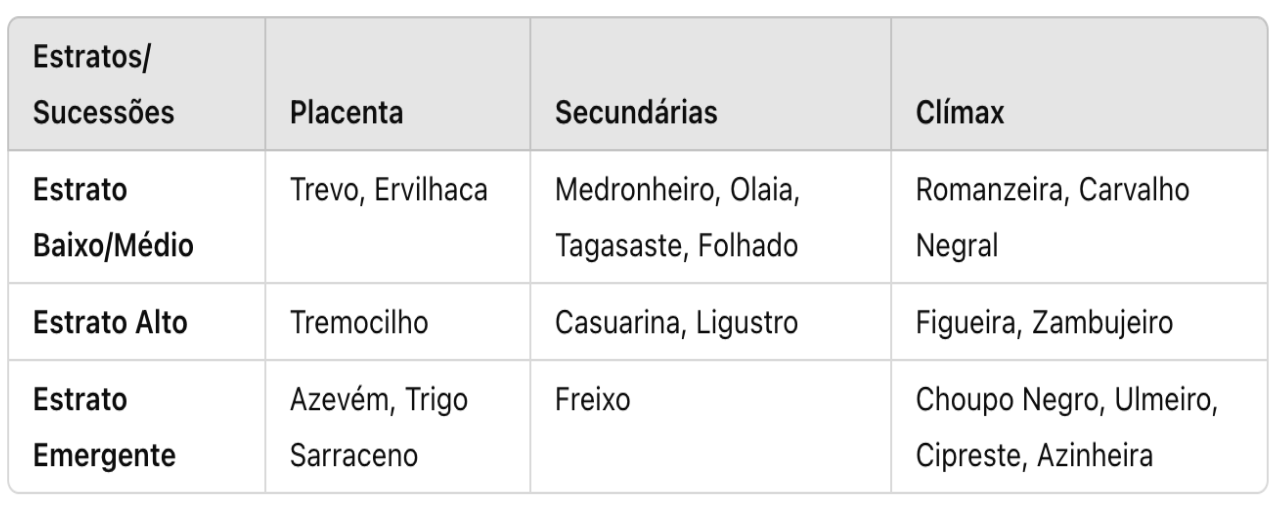
Planting was based on the principles of syntropic agriculture, with species chosen for their adaptation to local conditions and distributed across four stratification levels (low, mid, high, and emergent) and four ecological successions (placenta, secondary 1 and 2, climax). Among the species planted, the following stand out:
- Low/mid stratum: Bladder senna, strawberry tree, tagasaste, and Azorean laurel
- High stratum: Fig, casuarina, privet, pomegranate, wild olive, and Portuguese oak
- Emergent stratum: Black poplar, ash, elm, cypress, and holm oak
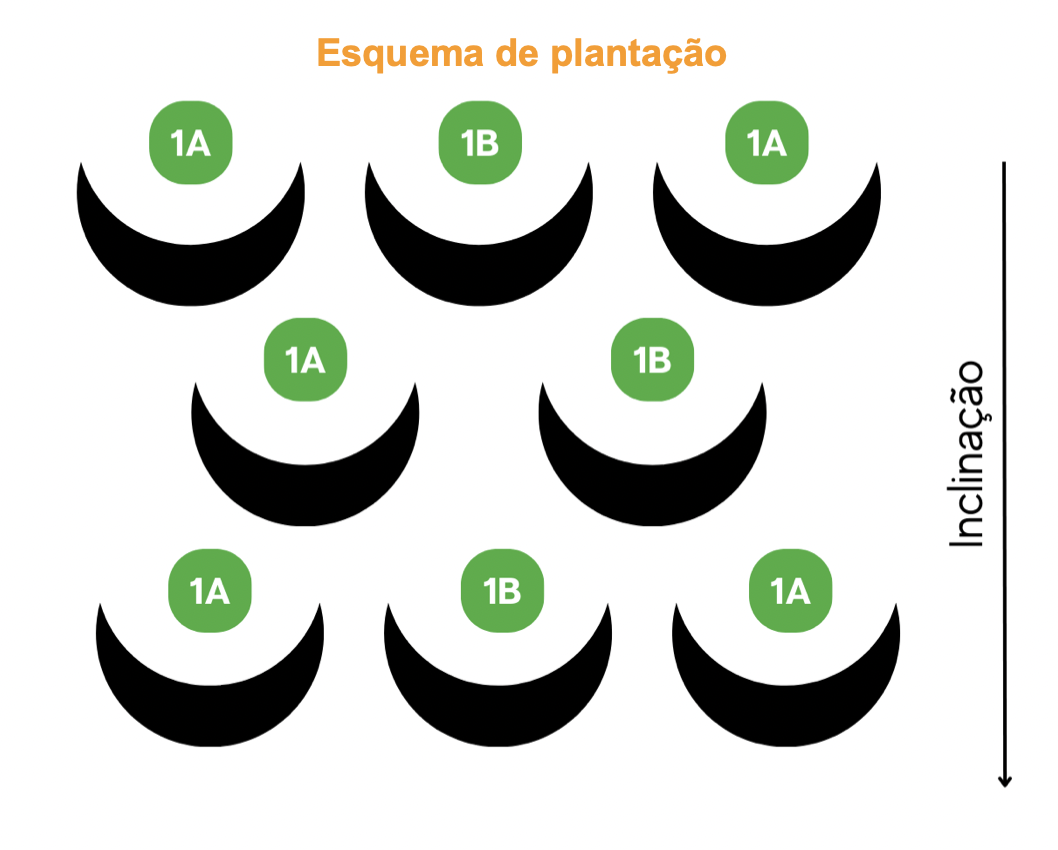
To ensure an efficient and functional design for the ecological regeneration of the land, two distinct planting patterns were implemented, designated 1A and 1B. These patterns were developed based on the principles of ecological succession and stratification, ensuring that each half-moon swale included species from different strata and successive phases. The alternation between patterns allowed for greater diversification of species combinations across the intervention area, creating a more balanced ecological mosaic.
Seeding
Challenges
- Uneven terrain: The steep slope made the construction of the half-moon swales more difficult, requiring extra care in the positioning of the structures to prevent soil slippage.
- Limited on-site biomass: The quantity of thin branches and trunks left in the intervention area after felling was insufficient. To work around this, some of the timber set aside for firewood had to be used instead.
- Impact of local wildlife: Wild boar and deer, both common in the region, pose a threat to the newly planted species. To mitigate this, stakes were placed around the young trees and shrubs as protective barriers.
Conclusion
This project marked a significant step in the transformation of a stagnant ecosystem, dominated by a pine monoculture, into a biodiverse and resilient woodland. The interventions carried out have created promising conditions for revitalising the soil and promoting biodiversity, while at the same time strengthening resilience against fire. In the coming years, we will carefully monitor the results to assess the impact of the actions taken and adjust strategies for future interventions. We plan to continue work across the remaining area of the pine forest, applying refined approaches drawing on the lessons of this experience, thereby expanding the reach and effectiveness of these regenerative actions.